What “Grows With Your Child” Actually Means in Baby Furniture
“Grows with your child” is one of those phrases that gets slapped on product listings so often it’s basically lost all meaning. But it’s worth actually unpacking — because when it applies, it’s genuinely one of the smarter things you can look for in baby furniture. When it doesn’t? You end up with a convertible crib that technically converts into a toddler bed, except you need to buy a separate $80 conversion kit that’s been out of stock since last spring.

So here’s what the phrase actually means in practice. A piece of baby furniture earns that label when it can be physically reconfigured — not just repurposed in theory — to suit a child at different developmental stages. A crib that drops one side and adds a toddler rail is the classic example. A dresser with a removable changing topper that then functions as a standard 4-drawer for the next decade is another. The key distinction is whether the transition requires a screwdriver and ten minutes, or a whole new purchase.
Not all conversions are equal. Worth knowing.
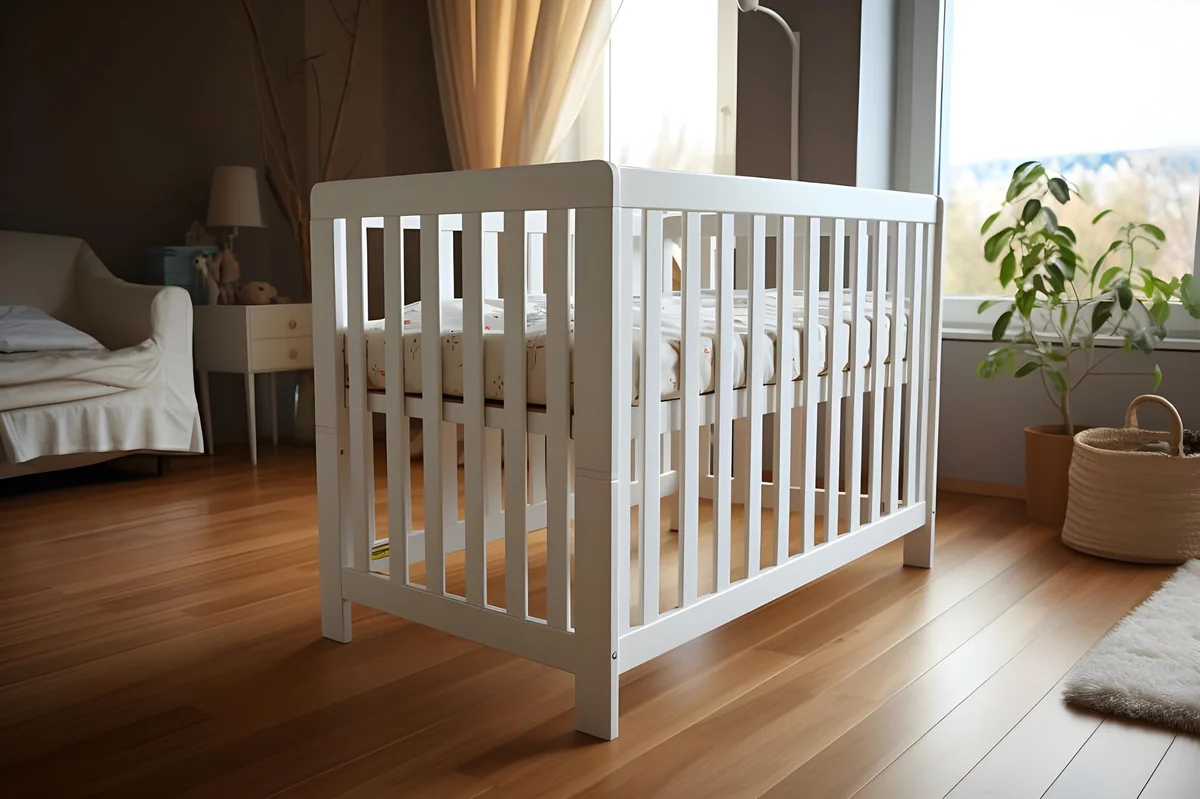
There’s also the question of scale — because a piece of baby furniture sized for a newborn’s nursery can feel weirdly cramped once you’ve got a mobile three-year-old bouncing around the room. Some convertible cribs, for instance, convert into a toddler bed that’s only about 52 inches long, which works until around age five or six but won’t serve a bigger kid much longer. That’s not a dealbreaker, it’s just reality — and it matters when you’re deciding whether “grows with your child” means two years or eight.
- Conversion should require minimal tools and no specialty parts that might be discontinued
- Check the weight and height limits at each stage, not just the final configuration
- Look for pieces where the aesthetic holds up — a crib that converts into something that looks like a toddler crib is less useful than one that becomes a proper twin bed frame
- Confirm whether conversion hardware is included or sold separately
And honestly, the best baby furniture in this category tends to be the stuff that doesn’t look like baby furniture at all by stage three. Neutral finishes, clean lines, no cartoon cutouts. Timeless design isn’t just aesthetic preference — it’s a functional feature.
Convertible Designs vs. Adjustable Features — What’s the Difference?
These two terms get used interchangeably all the time, and that’s a problem — because they’re actually describing completely different things, and mixing them up leads to some genuinely frustrating purchases.

Convertible baby furniture changes its physical form. The whole piece gets reconfigured — panels removed, rails swapped out, maybe a new component added — so it becomes a structurally different piece of furniture. A crib that eventually becomes a full-size bed frame is convertible. That’s a meaningful transformation, not a minor tweak.
Adjustable features are something else entirely.
Adjustable means the piece stays in the same basic form but offers flexibility within that form. A changing table with a height-adjustable surface. A crib mattress platform that drops from three positions down to one as the baby learns to pull up. A glider with a recline setting. Useful, absolutely — but it’s not the same promise as “this will still be in your kid’s room at age seven.” And a lot of parents don’t clock that distinction until they’re standing in a showroom asking why a so-called “convertible” dresser only adjusts the drawer dividers.
So here’s a quick breakdown of what each category actually covers:
| Feature Type | What Changes | Typical Lifespan Benefit |
|---|---|---|
| Convertible design | Physical structure — rails, panels, size | 8–12+ years with proper conversion |
| Adjustable feature | Settings within existing structure | 2–4 years, same growth phase |
| Modular system | Add-on components over time | Varies — depends on brand support |
Modular systems are worth calling out separately because they sit in between (and honestly get ignored in most buying guides). With modular baby furniture, you’re purchasing a base unit and adding compatible components as the child grows — which sounds ideal until you realize the brand discontinued that extension kit in 2026 and you’re left with half a system.
The practical takeaway: adjustable features add convenience. Convertible designs add years. Both matter, but they’re not the same budget line item.
Age Ranges to Look For Before You Buy
Age ranges on baby furniture labels are not decorative. They’re the actual thing that determines whether a $400 crib becomes a $400 doorstop in eighteen months — or whether it follows your kid into toddlerhood and beyond.

So here’s how to read them properly. Most baby furniture lists an age ceiling, but that ceiling assumes an average child. Weight limits are the more honest number to look at. A crib rated to 35 lbs is going to hit that threshold before the “up to 3 years” label suggests — some kids get there by 20 months. Always cross-reference both.
Not all furniture even uses the same scale.
Some pieces list age in months, some in years, and some just say “infant to toddler” without committing to anything specific (which, honestly, should make you suspicious). A changing table topper rated for “up to 30 lbs” — that’s roughly 12 to 18 months for most babies. After that, you’re either done with it or you’re using it unsafely. Neither is a great outcome if you didn’t budget for a replacement.
Here’s a rough breakdown of what you’re actually buying at each stage:
- Newborn to 6 months: bassinet or bedside sleeper — short window, purpose-built, no illusions about longevity
- 6 months to 2 years: standard crib, full-size mattress, usually the longest single phase for one piece of furniture
- 2 to 5 years: toddler bed or converted crib rail kit, lower profile, designed for a kid who can climb out on their own
- 5 years and up: the crib is long gone — you’re into junior beds and regular furniture at this point
And this is where convertible baby furniture earns its price tag — or doesn’t. A crib that converts to a toddler bed and then a full-size bed with a separate rail kit can genuinely cover ages newborn through 10. But only if the conversion hardware is still available when you need it. Suppliers that offer long-term parts support — something manufacturers like Baby Simulator build into their product development cycle — make a real difference here. Because a convertible crib without its conversion kit is just a crib with an expensive reputation.
Bottom line: buy for the phase you’re in, plan for the next one, and always check the weight limit before the age label.
The Baby Furniture Pieces Worth Investing In (and the Ones That Aren’t)
Honestly, the hardest part of buying baby furniture isn’t finding what you need — it’s resisting everything you don’t. The market is full of beautifully staged nursery photos designed to make you feel like your kid will suffer without a matching seven-piece set. They won’t. So here’s a blunt breakdown of what actually pulls its weight and what quietly collects dust.
The crib or bassinet is non-negotiable. Full stop. But beyond that, the hierarchy gets murky fast.
| Baby Furniture Piece | Worth It? | Why |
|---|---|---|
| Convertible crib | Yes — if parts are available | Can serve from newborn to age 10 with the right rail kit; long-term value is real |
| Dedicated changing table | Mostly no | A dresser with a $30 changing pad on top does the same job and stays useful after 18 months |
| Glider or nursing chair | Yes — for most parents | You will spend hundreds of hours in this chair; don’t cheap out on lumbar support |
| Dresser with deep drawers | Yes | Baby clothes are tiny but there are a shocking number of them; doubles as a changing station |
| Matching nursery wardrobe | Usually no | Closet organizer inserts cost a fraction of the price and do the same thing |
| Bassinet | Situational | Useful for the first 3–4 months if the crib is in a separate room; redundant otherwise |
And the changing table thing — this one genuinely surprises new parents when they hear it. A standalone changing table is a single-use piece of baby furniture that becomes a storage shelf by the time your kid hits two. A solid dresser with anti-tip hardware and a contoured changing pad (the Munchkin Secure Grip pad runs about $25) gives you the same surface and keeps earning its floor space for years.
The glider is where people underestimate themselves. Not glamorous. Rarely Instagrammable. But the number of night feeds, story sessions, and overtired rocking moments that piece of furniture absorbs — it pays for itself in sanity alone.
Skip the matching sets unless the price genuinely makes sense. Coordinated baby furniture looks great in a showroom and costs you flexibility later. Mix a good crib with a quality dresser and a chair you actually find comfortable, and you’re ahead of most people who bought the whole suite.
Conclusion
Baby furniture doesn’t need to be a big, expensive puzzle — it needs to be a crib you trust, a dresser that pulls double duty, and a chair you’ll actually want to sit in at 3am.
That’s really it. The matching suites, the specialty pieces, the things that look incredible in a nursery mood board — most of them are solving a problem you don’t actually have yet. Buy fewer things. Buy them better.
When you’re ready to start narrowing it down, focus on safety ratings first, longevity second, and aesthetics last. That order matters more than any list of features ever will.
Frequently Asked Questions
Q: What baby furniture do you actually need?
A: A crib, a dresser, and a chair — that’s the honest short list. Everything else (changing tables, glider ottomans, specialty storage towers) is optional and often redundant. A dresser with a changing topper does the same job as a standalone changing table and keeps working long after diapers are done.
Q: How much should I spend on baby furniture?
A: A realistic budget for the core pieces — crib, dresser, and nursing chair — lands somewhere between $600 and $1,200 if you’re buying new and being selective. You don’t need to spend $2,000+ on a matched suite. Put the most money into the crib, where safety ratings actually matter, and be more flexible on the rest.
Q: Is it worth buying a convertible crib?
A: Almost always, yes. A 4-in-1 convertible crib — like the ones from DaVinci or Babyletto — transitions from crib to toddler bed to full-size bed, so you’re not replacing it every two years. The upfront cost is higher, but the math usually works out in your favor before the kid hits kindergarten.
Q: Can I use secondhand baby furniture safely?
A: It depends on the piece. Secondhand dressers and chairs are generally fine if they’re structurally sound. Cribs are a different story — never use one manufactured before 2011, when federal safety standards were significantly tightened, and avoid any crib with drop-side rails regardless of age. When in doubt, buy the crib new.
Q: How long does baby furniture last before it needs replacing?
A: A well-made dresser or bookshelf can genuinely last decades — there’s no reason it can’t follow the kid into their teenage room. Cribs have a shorter functional window (roughly birth to age 2 or 3), unless you’ve bought a convertible model. The chair is the wildcard; foam cushions compress faster than you’d expect with heavy nightly use.
Q: Why is baby furniture so expensive?
A: Part of it is genuine — solid wood construction, non-toxic finishes, and third-party safety certification cost real money. But a chunk of the price is also branding and the “nursery aesthetic” markup. Greenguard Gold certified baby furniture from a mid-tier brand often uses the same materials as the premium lines, just without the lifestyle photography on the box.
Q: How do I know if baby furniture meets current safety standards?
A: Look for JPMA certification and Greenguard Gold on the product listing — those two cover structural safety and chemical emissions respectively. For cribs specifically, confirm the slat spacing is no wider than 2⅜ inches, which is the CPSC standard. If a retailer can’t point you to a test report or certification, that’s a red flag worth taking seriously.
Q: What’s the best layout for baby furniture in a small nursery?
A: Put the crib on an interior wall, away from windows and vents — that’s a safety and comfort call, not just aesthetic. The dresser can double as a changing station if you add a topper, which saves you a dedicated piece and usually 10–15 square feet of floor space. Keep the chair near a corner so you’re not navigating around it during night feeds. Related reference: 仿真娃娃(公司站) and babysimulator.store.
Views: 12